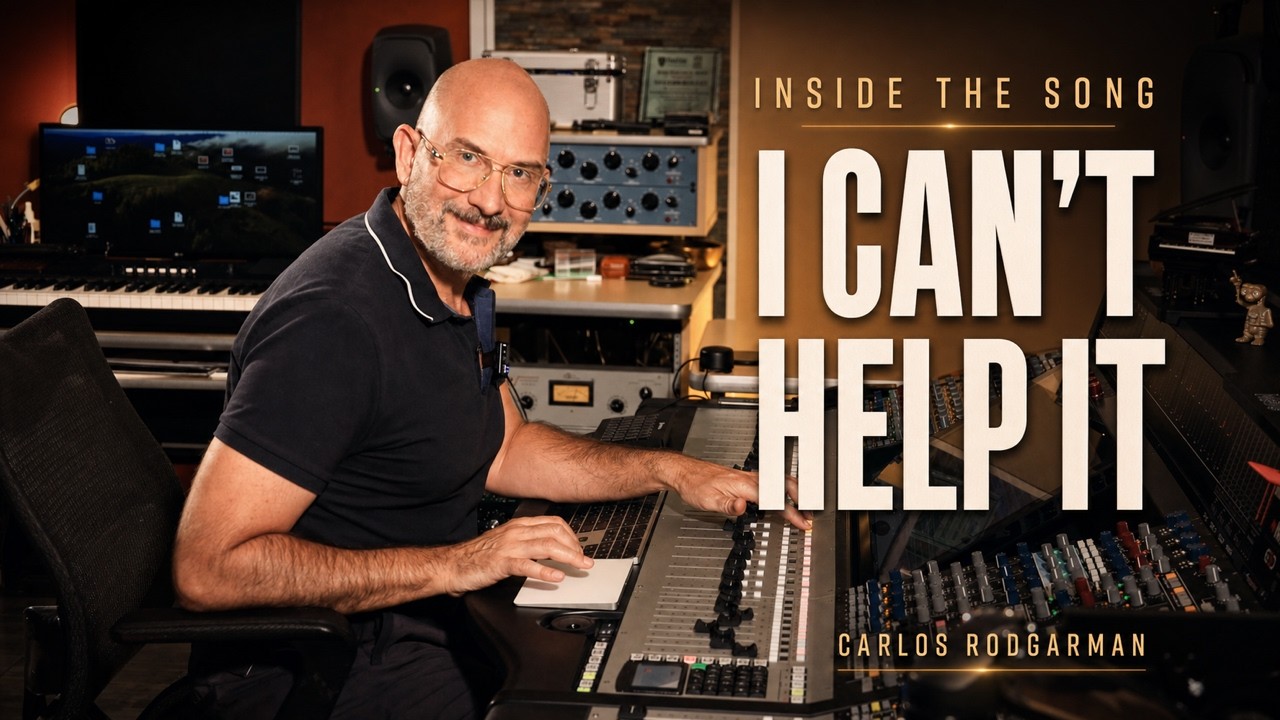
Inside the Song

Dentro de "I Can't Help It": el genio detrás de la canción

"I Can't Help It" es probablemente la canción más sofisticada de Off the Wall, y digo probablemente porque nada en ella suena sofisticado. Suena suave. Suena fácil. Está pasando una barbaridad de cosas en la armonía y ninguna ✋ levanta la mano.
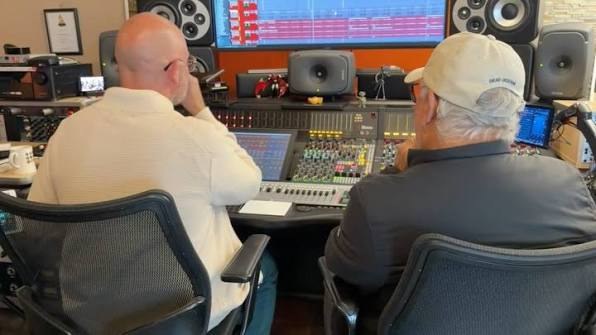
Carlos Rodgarman y Humberto Gatica en la consola de mezclas
Con Humberto Gatica durante las sesiones de Dolby Atmos del catálogo de Michael Jackson.

Pasé meses dentro de este catálogo remezclándolo en Dolby Atmos con Humberto Gatica, y eso significa que pude oír estas canciones elemento a elemento. Es un privilegio raro. La mayoría de los discos te confirman lo que ya sospechabas. Este no paró de darme cosas que no había notado en cuarenta años queriéndolo.

Así que déjame enseñarte unas cuantas.

Es una canción de Stevie Wonder
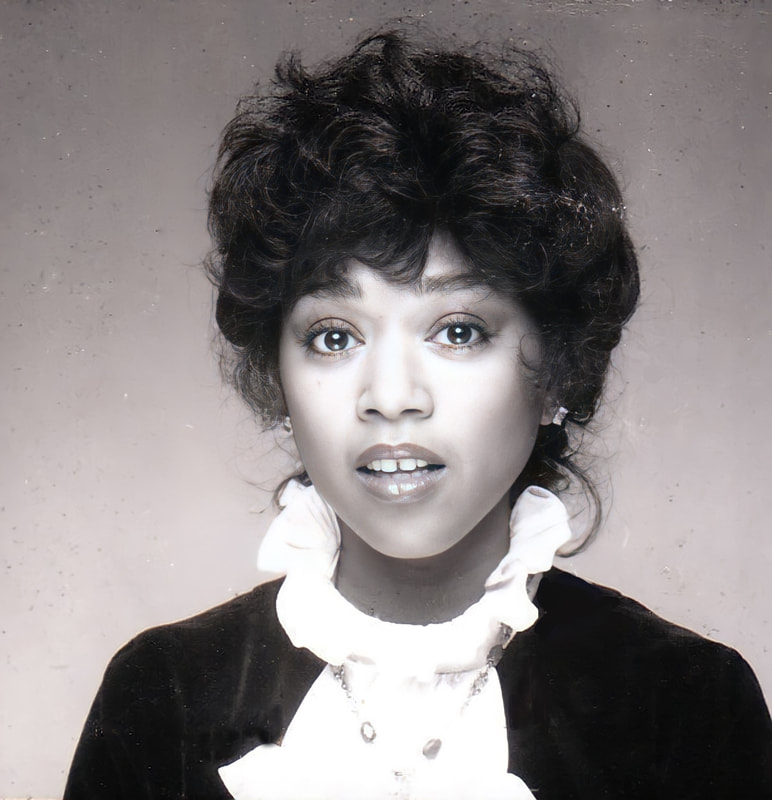
Retrato de Susaye Greene
Susaye Greene, que escribió "I Can't Help It" junto a Stevie Wonder.

La escribió Stevie con Susaye Greene, y luego le echó mano el equipo de Quincy. Cuando lo sabes ya no puedes dejar de oírlo. Los voicings, la manera en que la armonía se desliza, esa calidez concreta: es todo Stevie, corriendo por debajo de una producción pop que no deja que nada de eso se ponga por delante.

El arreglo de cuerdas es de Johnny Mandel. Ya llegaremos, porque las cuerdas son la parte que casi nadie ha escuchado de verdad.

Escuchad la estrofa, los frikis de la música que andáis por ahí

Estamos en La bemol. Tu oído está esperando un dos-cinco-uno, el movimiento que ha oído diez mil veces.

No llega. En lugar del Mi bemol hay un La. Sustitución de tritono. Y no una cualquiera, porque lleva encima una oncena aumentada, que sobre el papel es un acorde puntiagudo, jazzístico y difícil que no pinta nada en un disco pop.

Dos pentagramas en La bemol mayor: el ii-V-I esperado y el ii-subV-I con un La7 con oncena aumentada en lugar del Mi bemol 7 1 · Lo que espera tu oído: ii · V · I B m 7 E 7 A 2 · Lo que suena: ii · subV · I B m 7 A 7 11 ♯11 A
Los mismos dos compases, dos veces. Arriba, la cadencia que espera tu oído. Abajo, lo que toca el disco.

Pero escúchalo. Es precioso.

Y esto es lo que lo hace funcionar, que es la parte que me encanta: Michael canta la oncena aumentada. La nota más rara del acorde no está escondida en un voicing de teclado donde puedas ignorarla educadamente. Está arriba, en la voz principal, y él la entrega como si fuera la nota más obvia del mundo. Cuando la melodía se hace dueña de la tensión, tu oído deja de archivarla como tensión y empieza a archivarla como color.

El turnaround que no te deja sentarte

Escucha ahora el final de la estrofa. La frase quiere aterrizar y no la dejan.

Lo que pasa en su lugar es pequeño y perfecto. Un acorde de séptima mayor se convierte en séptima de dominante, y esa sola alteración basta para devolverte de golpe al principio de la estrofa.

Te van negando una y otra vez el final que estabas esperando, y lo hacen con tanta elegancia que ni te enteras. La canción simplemente no se sienta nunca.

Aquí no toca nadie

Aísla la batería un momento. Escucha lo que hace JR Robinson en esa caja. Apenas la está tocando. ¡Apenas! Y ese groove no se mueve, no te pide atención, no intenta ni una sola vez ser lo interesante de la sala. Paulinho da Costa está justo al lado haciendo lo mismo con la percusión, con todos sus colores de siempre, sin lucirse en ningún momento.

Nada de esa sección rítmica intenta que Michael cante de otra manera. Sostiene la historia y se aparta.

Y ahora fíjate en lo que hace Greg Phillinganes en los teclados, porque esto te lo puedes llevar esta misma noche. Sus voicings no llevan la fundamental. Toca formas abiertas. Así la armonía se queda aireada y un poco indecisa, el bajo no se agobia, y todas esas novenas y trecenas tienen dónde sentarse. Respiran porque nadie les ha apilado una fundamental debajo.

Un acorde de La bemol con novena mayor escrito dos veces, con y sin fundamental, sobre un La bemol en el bajo con fundamental A 9 sin fundamental A 9
El mismo acorde, dos veces. La nota dorada es la fundamental que él se deja fuera — y que el bajo ya tiene cubierta.

Las cuerdas, con sordina

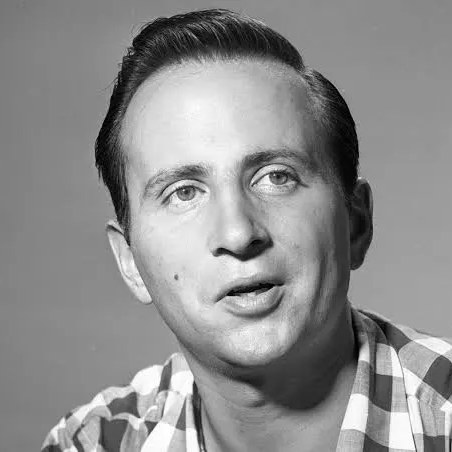
Retrato de Johnny Mandel
Johnny Mandel, autor del arreglo de cuerdas.

Ahora entran las cuerdas, y aquí está la joya.

Están tocadas con sordina. No es el sonido de cuerda brillante y lustroso que esperas en un disco así, sino algo más suave y un poco velado. En la segunda mitad de la estrofa se abren en armonía, y hay una línea conductora que baja de la séptima mayor a la séptima y que hace que el pasaje entero parezca que no podía haber ido de otra forma.

Escucha esa línea sola una vez. Luego vuelve a la estrofa. Ya no la vas a oír igual.

¿Has pillado el estribillo?

En el estribillo las cuerdas hacen algo completamente distinto. Violines, violas, violonchelo, todos arriba del todo de su registro, los violines divisi, todavía con sordina. Es un momento Frank Sinatra metido dentro de un disco pop de 1979.

Has oído este estribillo mil veces. Vuelve a él sabiendo que las cuerdas están haciendo eso. Otro estribillo.

Lo que por fin pude hacer en Atmos
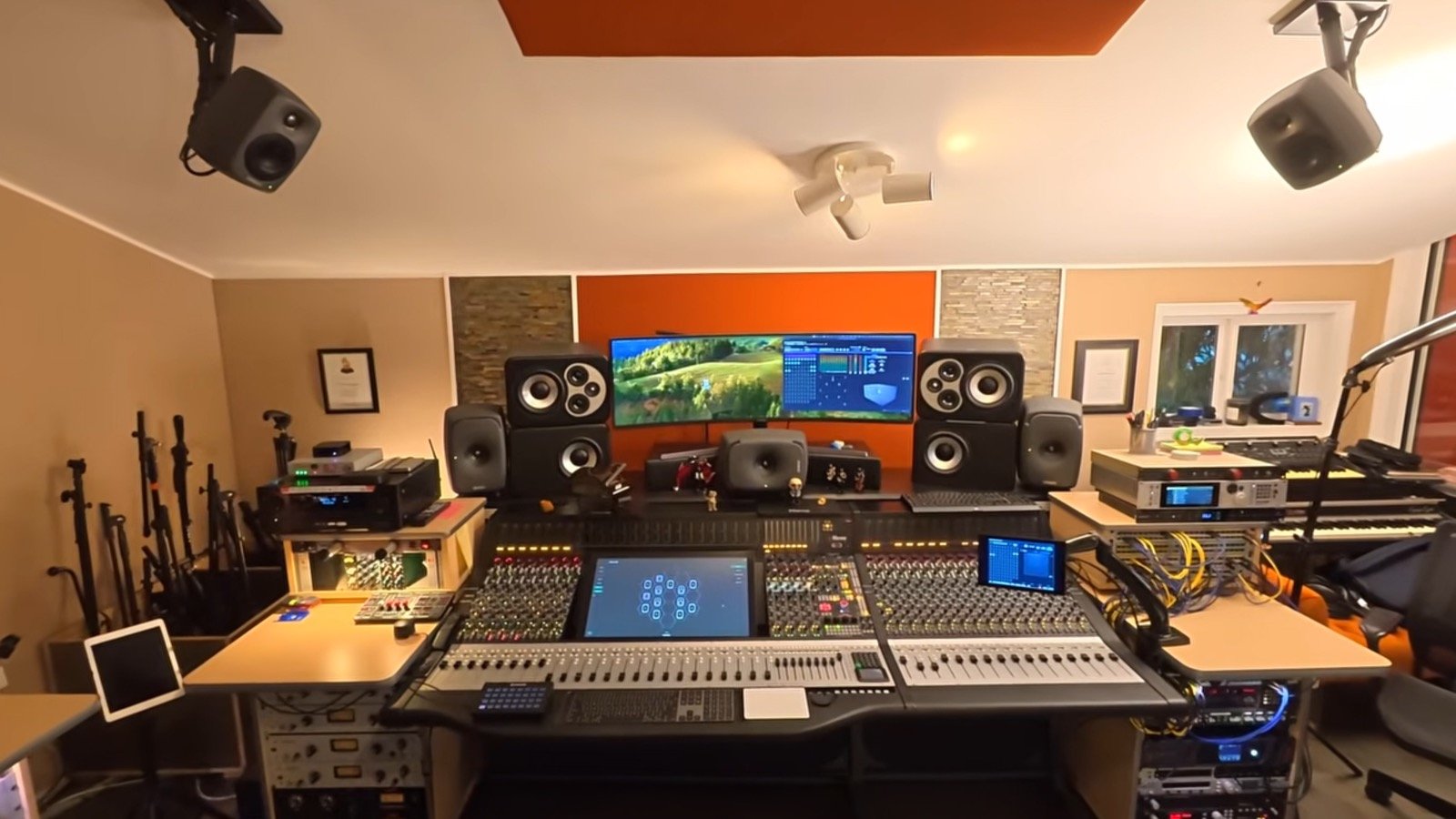
El control de RG Studio, con los altavoces de altura montados en el techo
La sala donde se hizo la remezcla. Los altavoces del techo son los que el estéreo nunca tuvo.

El arreglo va colando colores nuevos poco a poco. Una línea de flauta en el estribillo que más tarde se convierte en sección de metales. Un gancho nuevo de teclado en la segunda estrofa. Una línea de vientos en la tercera estrofa que, por cierto, no tiene letra.

En Atmos puse esa flauta un poco detrás de ti y un poco por encima. Las cuerdas no son muy anchas, así que mandar la flauta atrás y arriba compra profundidad en vez de anchura, y las dos dejan de pelearse por el mismo trozo de sala. El Rhodes y los teclados se quedan de los hombros hacia delante. Michael sigue en el centro, donde ha estado siempre.

Nada de eso es invención. El arreglo llevaba describiendo esas relaciones todo el rato. Lo que pasa es que el estéreo nunca tuvo sitio para enseñarlas.

El estribillo vuelve a casa y no vuelve

Una cosa más de armonía, porque explica por qué la canción parece que no para.

El estribillo va al cuatro y luego al cinco. El cinco es una promesa. Le dice a tu oído que ahora viene la tónica.

No viene. Aterrizamos en el relativo menor, Fa menor, y el bucle vuelve a empezar. Toda la canción está montada sobre un ciclo al que no se le permite cerrarse, y por eso a los cuatro minutos sigues sintiendo que estás en algún punto intermedio.

Por qué suena fácil

Oncenas aumentadas, novenas mayores, trecenas, sustituciones de tritono: todo eso puede vivir dentro de un disco pop y parecer que está en su casa. El truco no es simplificar nada. El truco es que todo el mundo toca menos de lo que podría.

La batería se queda quieta. El bajo se queda quieto. Los teclados sueltan la fundamental. Las cuerdas se ponen sordina. Los vientos llegan tarde y se van pronto. Nadie hace el trabajo de nadie y, como hay espacio entre todo, puedes oír de verdad cómo hablan entre sí las cuerdas, los metales y el Rhodes.

Ponla otra vez esta noche y escucha esa conversación. La canción no es suave porque sea simple. Es suave porque una sala llena de músicos extraordinarios decidió contenerse.

Transcripción completa (en inglés)
  1. 0:00 Hi, Carlos Rodgarman here, and today I'm here to talk about "I Can't Help It", one of my favorite songs from "Off the Wall".
  2. 0:08 This might be actually the most sophisticated song in my opinion of the "Off the Wall" album.
  3. 0:13 It just doesn't feel complicated, harmonically it's super interesting, there's so much going on,
  4. 0:19 but it just feels like smooth, very easy to the ear, so to speak.
  5. 0:23 I want to go inside the song a little bit and show you some gems that are in this arrangement, this production.
  6. 0:28 How something elaborate and complicated doesn't sound jazzy, it just sounds pop and easy to the ear.
  7. 0:34 That's the genius part of it.
  8. 0:36 This is a Stevie Wonder song that he wrote together with Susaye Greene, and it was transformed by the Quincy team, right?
  9. 0:44 I believe they had Johnny Mandel doing an incredible string arrangement that we'll hear here.
  10. 0:50 And it's one of my favorite jewels because it's one of those that, you know the song, but until you hear what was happening there,
  11. 0:57 it's going to surprise you.
  12. 0:59 Once you know it's Stevie Wonder in case you didn't know, you're going to hear it again with different ears and you're going to hear Stevie's influence.
  13. 1:05 It's basically the verse with a very interesting harmony and then the chorus and it's just a cycle that repeats
  14. 1:12 and it keeps bringing new elements, bringing new colors and it just keeps the listener engaged at all times.
  15. 1:18 It all starts with this progression that is just beautiful by itself.
  16. 1:27 Already right there, harmonically there's so much going on and it just feels so easy.
  17. 1:44 But it's actually a very interesting substitution and I'll show you what I mean.
  18. 1:48 The beautiful part of this, look at the verse for all my musician nerds out there.
  19. 1:53 We're an A-flat major, right? So instead of having the five-two-one,
  20. 2:03 we have the tritone substitution. Instead of the E-flat we have the A, but look at this sound.
  21. 2:19 So what's happening there is that it's actually the tritone with the sharp 11, right?
  22. 2:24 And Michael even sings this note, the sharp 11.
  23. 2:34 It's the continuity to it, right? So listen one more time.
  24. 2:47 We can see how Michael is so intimate, right? Let's listen to his delivery.
  25. 2:53 Looking in my mirror, took me by surprise, I can't help but see you.
  26. 3:07 Let's check out his performance, all his mic.
  27. 3:12 Super intimate.
  28. 3:14 Looking in my mirror, took me by surprise, I can't help but see you.
  29. 3:28 Running often through my mind, helpless like a baby.
  30. 3:38 And instead of resolving, right, we're going to do this turnaround.
  31. 3:52 So listen to that, how genius, how it connects.
  32. 3:58 This is a major seven. It turns it into a dominant seven to go back to the verse.
  33. 4:08 And now we resolve to go to the chorus.
  34. 4:32 Without his voice.
  35. 4:38 Listen the genius of JR on the drums, how he's just like barely caressing the snare.
  36. 4:49 It's just so, so amazing.
  37. 5:08 Then you have obviously, Palunio da Costa with signature sounds.
  38. 5:19 Let me open it with the drums.
  39. 5:38 The groove just stays there. It's a bit that it's just not distracting.
  40. 5:54 It's not pushing Michael to sing any other way. It's just supporting the whole storyline.
  41. 6:00 Now the beautiful thing about this, if you see how the first loop around starts with the
  42. 6:06 notes, right? Then we bring this dreamy key words, so beautiful.
  43. 6:36 Chorus.
  44. 6:49 Greg uses actually voicings on the keyboard that don't have the root instead of playing.
  45. 6:56 He actually uses an open chord form.
  46. 7:06 The genius of bringing new elements in pieces little by little with subtle color
  47. 7:14 additions. Look at this addition we have here in the chorus.
  48. 7:31 In Atmos we actually place that flute line that then is going to turn into a brass section
  49. 7:38 later in the song. It's placed like a little bit behind and up elevated a little bit so that it
  50. 7:45 creates these depths with the strings that are not so wide. There's the the roots and the keywords
  51. 7:50 that are here shoulder to front, right? Covering this area and then Michael obviously in the center.
  52. 7:56 It's basically a AB form that keeps repeating verse chorus verse chorus, right? When we go into
  53. 8:02 the second verse we have this new line on the keyword that it's like another hook to it.
  54. 8:16 Let me mute Michael for a second. I'm sorry Michael don't get mad.
  55. 8:31 Now another element this is one of the jewels that I want to show you guys is together with this
  56. 8:37 the strings come in. The strings are beautifully played arranged by Johnny Mandel. They're
  57. 8:45 beautifully executed they're all with mutes with sordino. Listen to this.
  58. 8:58 We're on the verse.
  59. 9:03 Second half of the verse now we open to harmony.
  60. 9:25 Notice that beautiful leading line how it goes from the seventh major seventh to the seventh.
  61. 9:33 I'll play it now in the context of the vocals so now you're going to hear
  62. 9:37 this in a different way that you have before hopefully.
  63. 10:00 Now in the chorus we go to a string moment that to me is
  64. 10:03 just like a Frank Sinatra moment. Listen to this on the chorus.
  65. 10:13 All the violins violas cello all up there divisives on the violins with the mutes
  66. 10:19 amazing beautiful gorgeous color.
  67. 10:41 Let me show you now the chorus that you've heard a million times
  68. 10:44 but now that you know what's happening on the strings.
  69. 11:10 Did you guys catch that? I mean that's Michael but it's just so steamy when he does that.
  70. 11:33 It just feels so good we don't even have lyrics on this third verse. Listen to that.
  71. 11:40 Now in this verse we're adding another color to the arrangement. Look at this horn line.
  72. 12:10 I'll open it with the string so you see the arrangement.
  73. 12:40 How genius all these complicated tensions that could sound very jazzy sharp 11s major 9s
  74. 12:52 13s etc and it just sounds so smooth so like it belongs. The secret to this is really the
  75. 12:58 restraint in everybody. The drums on the bass, the greg fillings on the keys how everything is
  76. 13:05 just opening up but it's just staying there giving enough space. I'll show you just the rhythm
  77. 13:10 section percussion based on the here synths the keyboards.
  78. 13:33 Like the chorus the harmony of the chorus is so cool. On the whole loop it's going to be
  79. 13:39 the four to the five when we're going to resolve we don't go to the tonic we go to the minor so
  80. 13:43 it keeps this cycle going. Instead of going right we stay back to the to the relative to the F minor.
  81. 14:09 Next time you listen to "I Can't Help It" I really want you to pay attention to all these details.
  82. 14:14 You're going to hear the song in a whole different way. Hopefully you're going to have a different
  83. 14:17 insight and a different ear when you listen to this song. Listen to all these elements how they
  84. 14:21 talk to each other how nobody is taking over anybody's job how there's so much space the
  85. 14:27 dialogue between the strings the horns the roads everybody has their space. What song is your
  86. 14:33 favorite from off the wall? For me it's hard to choose always but this is definitely one of them.
  87. 14:38 But what other songs do you want from other albums or what's your favorite that I should
  88. 14:43 break down next? Let me know and don't forget to like and subscribe. See you in the next one!