
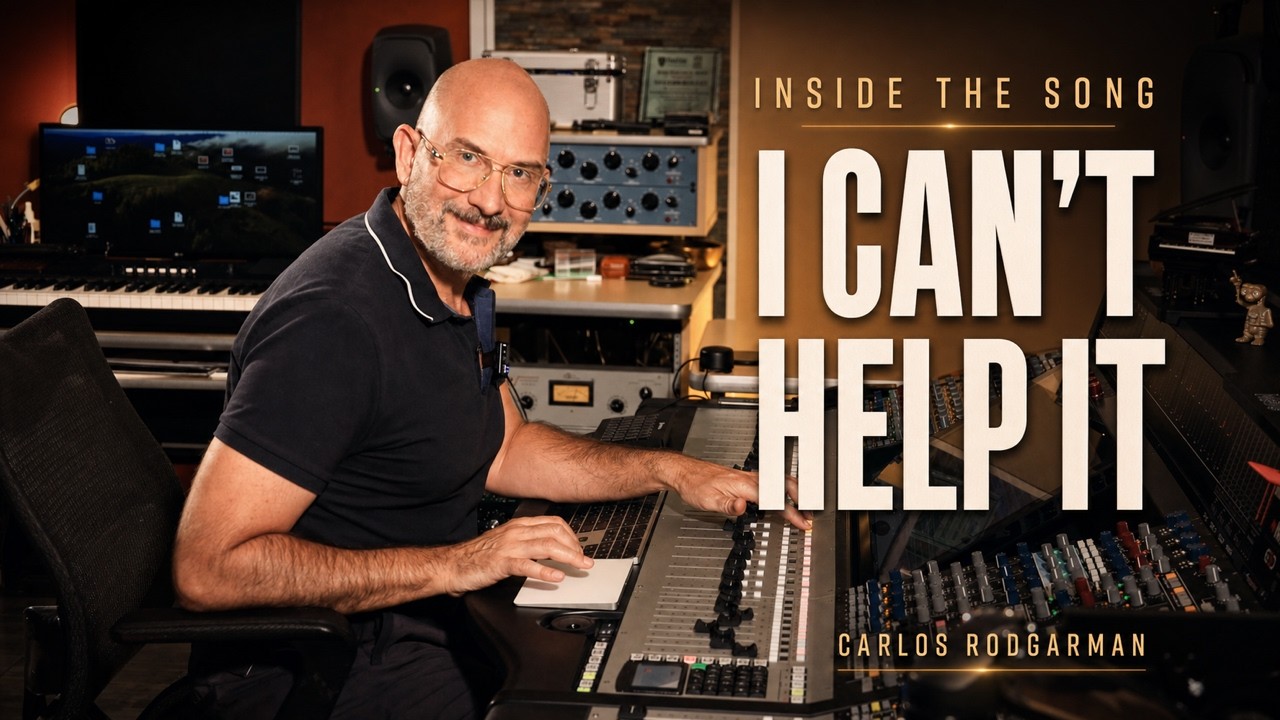
"I Can't Help It" might be the most sophisticated song on Off the Wall, and the reason I say might is that nothing about it sounds sophisticated. It sounds smooth. It sounds easy. There's an enormous amount going on harmonically and none of it ✋ raises its hand.
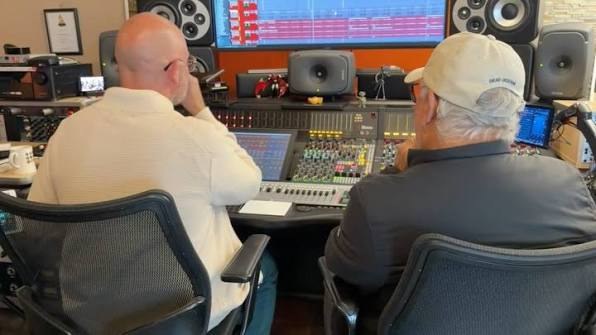
I spent months inside this catalogue remixing it in Dolby Atmos with Humberto Gatica, which means I got to hear these songs one element at a time. That's a strange privilege. Most records tell you what you already suspected. This one kept handing me things I had never noticed in forty years of loving it.
So let me show you a few of them.
It's a Stevie Wonder song

Stevie wrote it with Susaye Greene, and then the Quincy team got hold of it. Once you know that, you can't un-know it. The voicings, the way the harmony slides around, that particular warmth: it's all Stevie, running underneath a pop production that never lets any of it get in the way.
Johnny Mandel did the string arrangement. We will get there, because the strings are the part almost nobody has really heard.
Look at the verse, all my musician nerds out there
We're in A flat. Your ear is expecting a two-five-one, the move it has heard ten thousand times.
It doesn't come. Instead of the E flat there's an A. A tritone substitution. And not a plain one either, because it's carrying a sharp eleventh on top of it, which on paper is a spiky, jazzy, difficult chord that has no business in a pop record.
Listen to it, though. It's gorgeous.
Here's why it works, and this is the part I love: Michael sings the sharp eleventh. The strangest note in the whole chord isn't hidden away inside a keyboard voicing where you can politely ignore it. It's up there in the lead vocal, and he delivers it like it's the most obvious note in the world. When the melody owns the tension, your ear stops filing it as tension and starts filing it as colour.
The turnaround that never lets you sit down
Now listen to the end of the verse. The phrase wants to land, and it's not allowed to.
What happens instead is small and perfect. A major seventh chord turns into a dominant seventh, and that one alteration is enough to spin you straight back to the top of the verse.
You keep getting denied the ending you were waiting for, and it happens so gracefully that you never notice. The song simply never sits down.
Nobody plays anything
Solo the drums for a second. Listen to what JR Robinson does on that snare. He is barely touching it. Barely! And that groove never moves, never asks for your attention, never once tries to be the interesting thing in the room. Paulinho da Costa is right there beside him doing the same job with the percussion, all his signature colours, none of them showing off.
Nothing in that rhythm section is trying to make Michael sing differently. It holds the story up and stays out of the way.
Then look at what Greg Phillinganes is doing on keys, because this one you can steal tonight. His voicings leave out the root. He plays open forms instead. So the harmony stays airy and slightly undecided, the bass never gets crowded, and all those ninths and thirteenths have somewhere to sit. They breathe because nobody stacked a root underneath them.
The strings, with mutes

Now the strings come in, and this is the jewel.
They're played with sordino. Not the bright, glossy string sound you expect on a record like this, but something softer and slightly veiled. In the second half of the verse they open into harmony, and there's a leading line moving from the major seventh down to the seventh that makes the whole passage feel like it couldn't have gone any other way.
Listen to that line on its own once. Then listen to the verse again. You're never going to hear it the same way.
Did you catch the chorus?
In the chorus the strings do something completely different. Violins, violas, cello, all up in the top of their range, violins divisi, still muted. It's a Frank Sinatra moment sitting inside a 1979 pop record.
You have heard this chorus a thousand times. Go back to it knowing the strings are doing that. Different chorus.
What I could finally do in Atmos
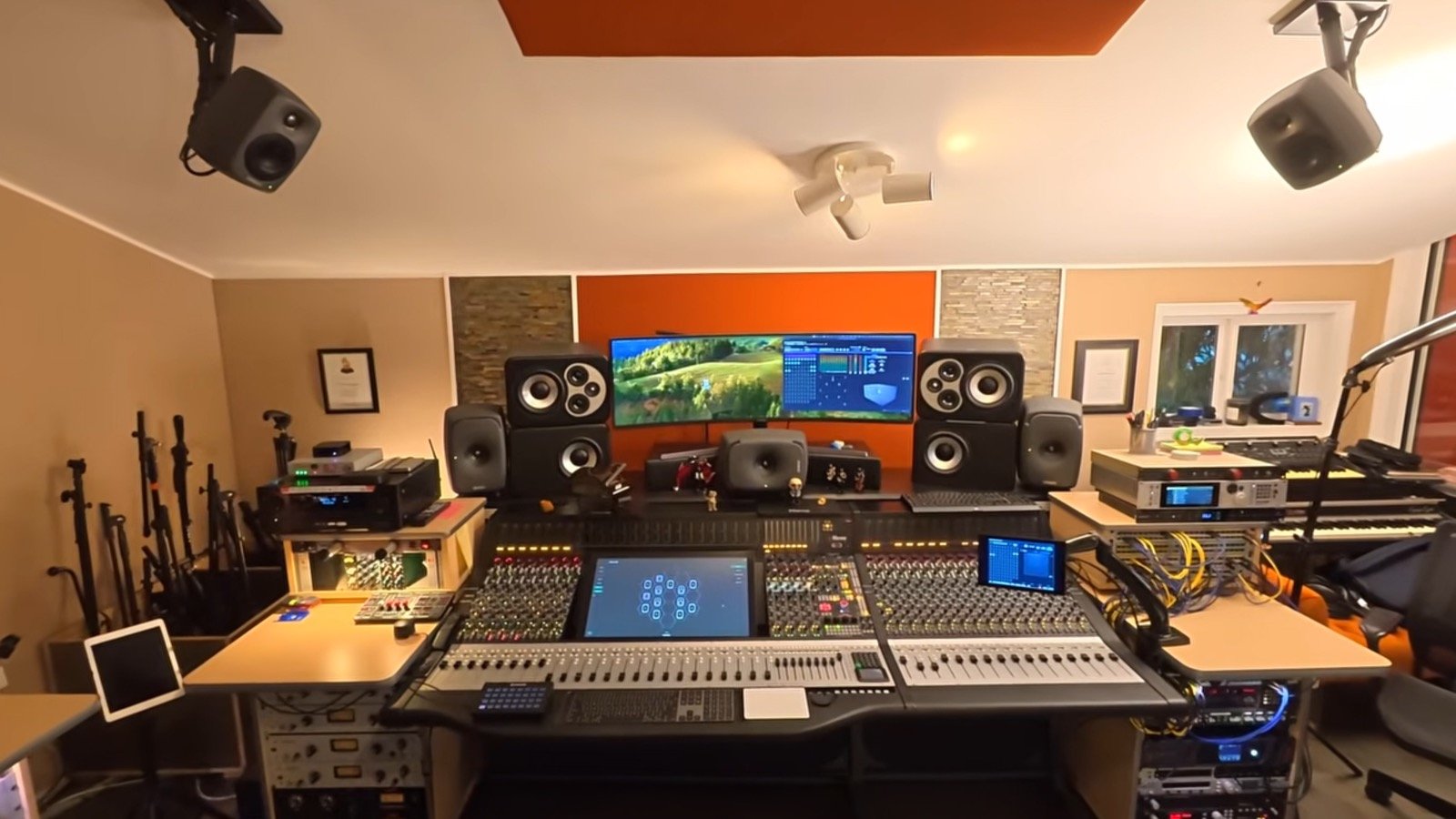
The arrangement keeps sneaking new colours in, a little at a time. A flute line in the chorus that later becomes a brass section. A new keyboard hook in the second verse. A horn line in the third verse, which, by the way, has no lyrics at all.
In Atmos I put that flute line slightly behind you and slightly above. The strings aren't very wide, so sending the flute back and up buys depth instead of width, and the two stop fighting over the same piece of the room. The Rhodes and the keyboards sit from the shoulders forward. Michael stays in the centre, where he always was.
None of that's invention. The arrangement was describing those relationships the whole time. Stereo just never had the room to show them.
The chorus goes home and it doesn't
One more harmonic thing, because it explains why the song feels like it never stops moving.
The chorus goes to the four, then to the five. The five is a promise. It tells your ear the tonic is coming.
It doesn't come. We land on the relative minor, F minor, and the loop starts over. The whole song is built on a cycle that's never allowed to close, which is why four minutes in you still feel like you're somewhere in the middle of it.
Why it sounds easy
Sharp elevenths, major ninths, thirteenths, tritone substitutions: all of it can live inside a pop record and feel like it belongs there. The trick isn't simplifying any of it. The trick is that everybody plays less than they could.
The drums stay put. The bass stays put. The keys drop the root. The strings put mutes on. The horns show up late and leave early. Nobody does anybody else's job, and because there's space between all of it, you can actually hear the strings and the horns and the Rhodes talking to each other.
Put it on again tonight and listen for that conversation. The song isn't smooth because it's simple. It's smooth because a room full of extraordinary players all decided to hold back.