
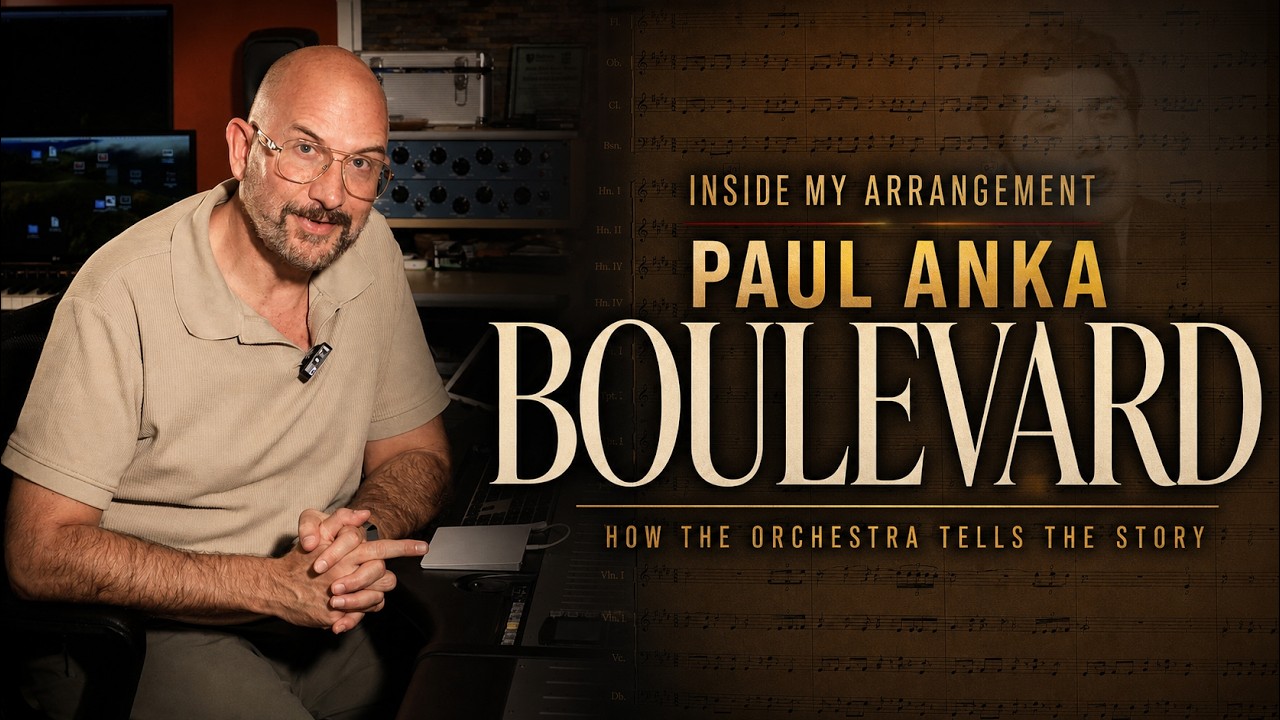
Almost everything I show you in this series is somebody else's tape. This one is mine. "Boulevard" is a song I arranged and orchestrated for Paul Anka, and I want to take you inside it: the arrangement, the orchestra, what the strings are doing, why there is an organ in there at all.
Every one of those decisions comes out of something that isn't music. This song is about loneliness. You are walking down a boulevard that used to be our street, and now you are walking it alone. So the question I had to answer was never how to make the record big. It was how to build on that solitude.
You know Paul Anka even if you think you don't
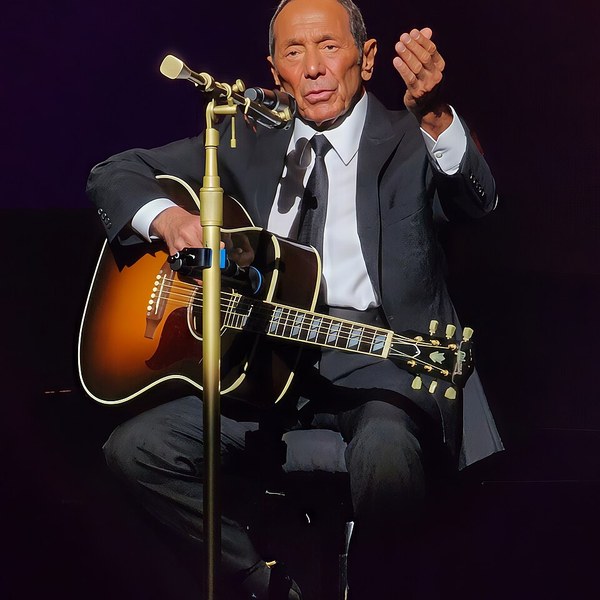
He has been doing this since he was a teenager. His first hit was "Diana", and he was sixteen years old when he wrote it. Then "Put Your Head on My Shoulder". Then "You Are My Destiny". There is an astonishing number of songs out there written by Paul Anka that you know perfectly well without knowing they are his.
The one he gave away
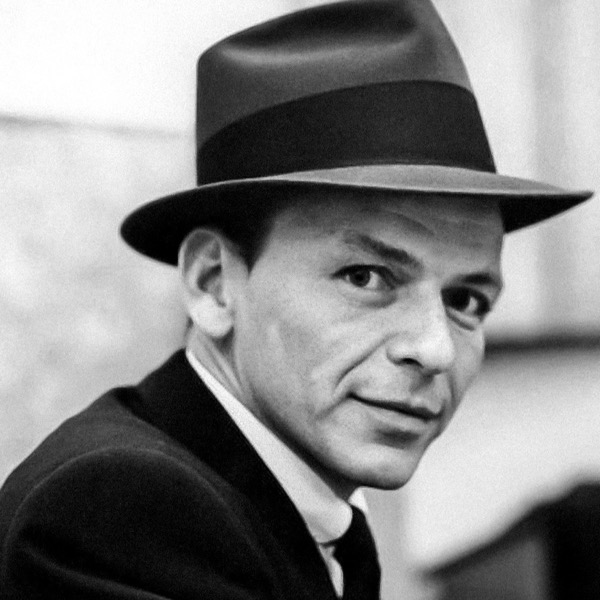
The clearest case is "My Way". Paul heard the original in France, a song called "Comme d'habitude", and he thought it was a perfect fit for Frank Sinatra. Frank was about to retire at the time. He had had enough, it was time to say goodbye, and Paul wrote him the English lyric for exactly that. It turned into such a huge hit that Frank never retired.
Then come the songs with Michael, "This Is It" and "Love Never Felt So Good", from the same catalogue I would later spend months inside, remixing it in Dolby Atmos. Six decades of styles changing around one thing that never changes: the man tells you a story. On this song, that story is the whole job of the arrangement.
An intimate vocal and an orchestra in Budapest
"Boulevard" came out in February 2026, on Inspirations of Life and Love. Paul sang every vocal in his own studio. My friend Jorge Vivo produced the album, recorded those vocals and mixed it himself, and he is the one who called me in to write the arrangements, the same way we worked on "I Believe".
What I love about the record is that contrast. A man singing these words privately in his house, and that intimacy carried all the way out to a full orchestra, the Budapest Scoring Orchestra. Those two things can easily fight each other. The arrangement exists so that they don't.
Nostalgia, with a European accent
Paul sent me the demo as piano with a little guitar strumming on top, just enough to show me the melody and the harmony of the verse. It already sounded nostalgic. What I felt it needed was a particular kind of nostalgia: European, old continent. A boulevard, not a street.
Everybody is introduced before anybody sings
By the time Paul comes in, every character in this story is already on stage. The piano. The bass, keeping the whole thing grounded and together. The strings, telling you from the intro that this is going to be epic, before you have any evidence that it will be.
And the organ, which is the character nobody expects in a song like this. That nostalgic tone underneath an intro does something a string pad cannot do, and it is going to play a role later on. I put it in the opening bars so that when it comes back you recognise it instead of noticing it.
Give your character a hook
I wanted this song to have an identity you can point at, so I wrote a hook on the piano and I bring it in from the very top. Later the orchestra plays the same figure back at you, and later still it turns up on the turnaround.
Nobody analyses that while they are listening. They just feel like they have been here before. And feeling like you have been here before is the entire emotional business of a song about a street you used to walk with somebody.
Same chords, different point of view
The first time through the verse I expose the basic harmony and nothing else. The second time I use inversions, so the bass walks downwards underneath the same chords. Same harmony, different point of view. On paper you changed nothing. In the room you changed everything.
The chorus goes to the minor fifth
Here is the moment I love most in this song. We are in E flat major, and the chorus is supposed to lift to the fifth, B flat major. It doesn't. It goes to B flat minor.
One note is doing that: the third of the chord, dropped by a half step. A major fifth opens a door. A minor fifth opens it onto an empty street, which is exactly where this character is standing.
Over the top of it I bring in the French horns, playing a counter-melody against Paul. Horns have something royal about them. They widen the magnitude of the story without anybody having to shout.
Second verse: take the piano away
On a second verse I always want a new element, and the way to get one is not always to add. The piano has been telling this story from the first bar, so here I do the opposite: I drop it, and I hand the verse to the guitar.
Then, instead of leaving so much of the chord open behind him, I go into a melodic moment: a counter-melody built out of wide intervals. Big intervals tell a story on their own. The emotion stretches like elastic and comes back.
Strings that never stop talking
This is the thing I learned from the greats and keep learning. Once the strings open up to support the full voicings of the harmony, they cannot just sit there holding them. I need movement between them all the time, so there is always a dialogue going on: the violins say something, the cellos answer.
Then the last verse breaks
For the last verse I break it all down and go up an octave. It has to feel fragile. It is night, you are alone, the other person is not here.
It is the same harmonic idea as the first verse, with one substitution. Where the ear expects the C minor, I play an A flat inverted, with the C still sitting underneath it: the flat six. A single voice moves, the G rises to A flat, and the chord stops being minor without the bass ever finding out.
That is very nostalgic, and it is almost free. Which is the whole argument of the harmony I write about: the interesting question is rarely how many chords you know, it is which single note you are allowed to move.
Bring the character back, then let it go
On that turnaround, over the sus chord, our character comes back one more time. Same hook, so you know where you are.
Then, from there to the end, the strings come back to close the song, but I don't repeat the motif again. It has been more than exposed by that point. Instead the cello takes the last line on its own, and that is what walks you out of the song.
What I would tell you
Decide what the song is about before you write a note. Everything after that is just staying loyal to it.
Give the story a character and let it come back. Change the point of view instead of changing the chords. Keep the inner lines talking to each other, because a score that only swells is a score that has stopped listening. And when you want a new emotion, look first for the one note that can move, not for the ten instruments you could add.
I will keep sharing songs I have been part of. But a lot of you are asking me to go inside records I had nothing to do with, and getting into those classics sounds like a lot of fun, so keep the suggestions coming. I read them all.